
Dr. Greg Kovacs
Therapy, Research, and the Science of Relationship.
Bridging the gap between family science and
real-world connection.

You know the feeling when a simple conversation about the dishes turns into a high-stakes standoff?
You aren't failing-your partnership is just out of alignment.
Most relationship advice is anecdotal. I believe it should be evidence-informed. By applying the rigor of family theory and relationship science, we can move beyond 'tips and tricks' to understand the process of human connection, conflict, and repair.
Intellectual Foundation
From Invisible Patterns to Conscious Connection: The Science of Partnership.
1. Family Systems Theory
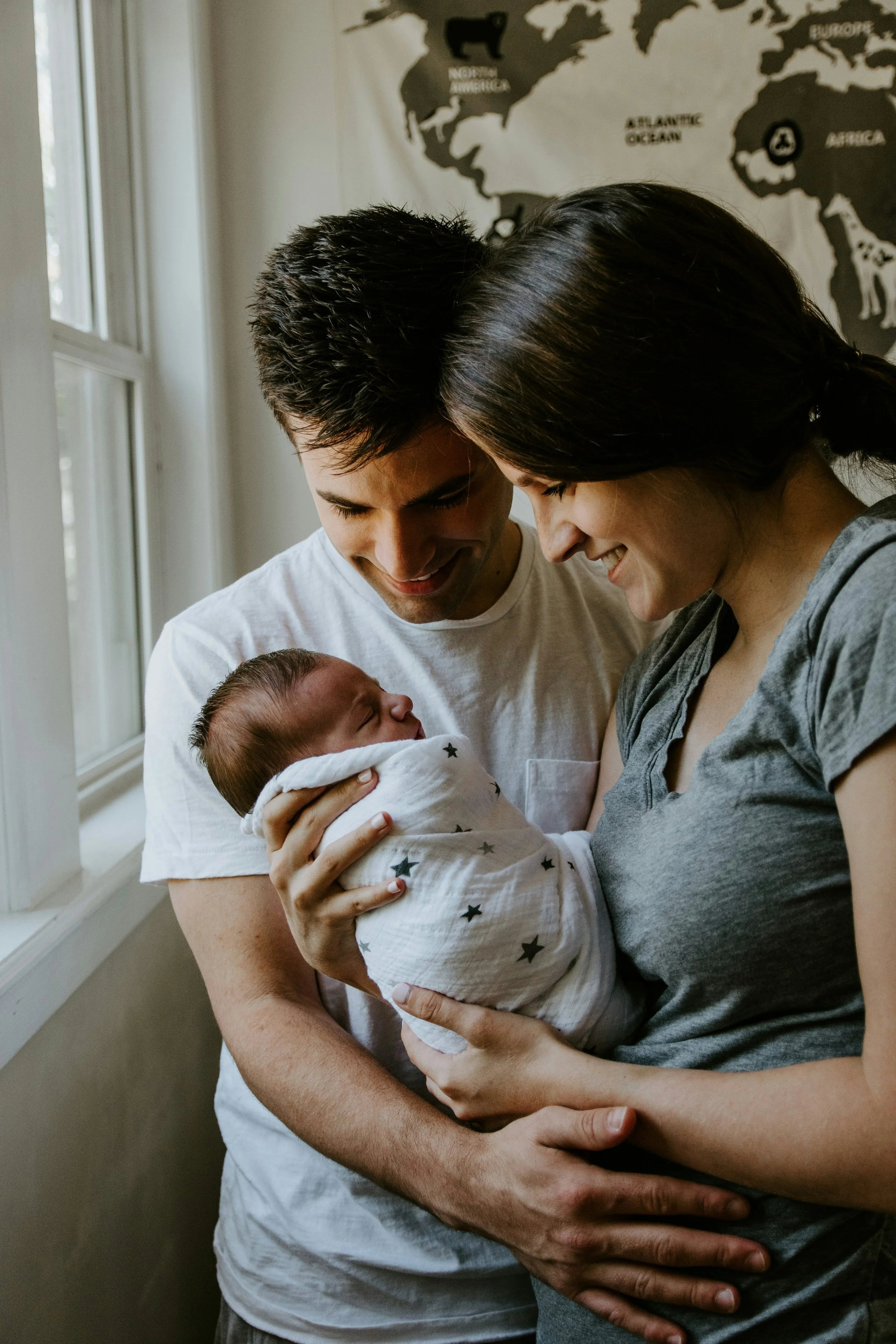
I view the family not as a collection of individuals, but as an integrated emotional unit. By utilizing Family Systems Theory, Cognitive Science, and Attachment Theory, I help audiences and clients identify the repetitive patterns, roles, and feedback loops that govern how we interact.
Key Concept: Circular Causality. Relationships are not linear (A causes B); they are reciprocal. In a circular system, the "problem" is the feedback loop itself. By identifying the loop, we can interrupt it.
2. Attachment Science & Emotionally Focused Theory (EFT)
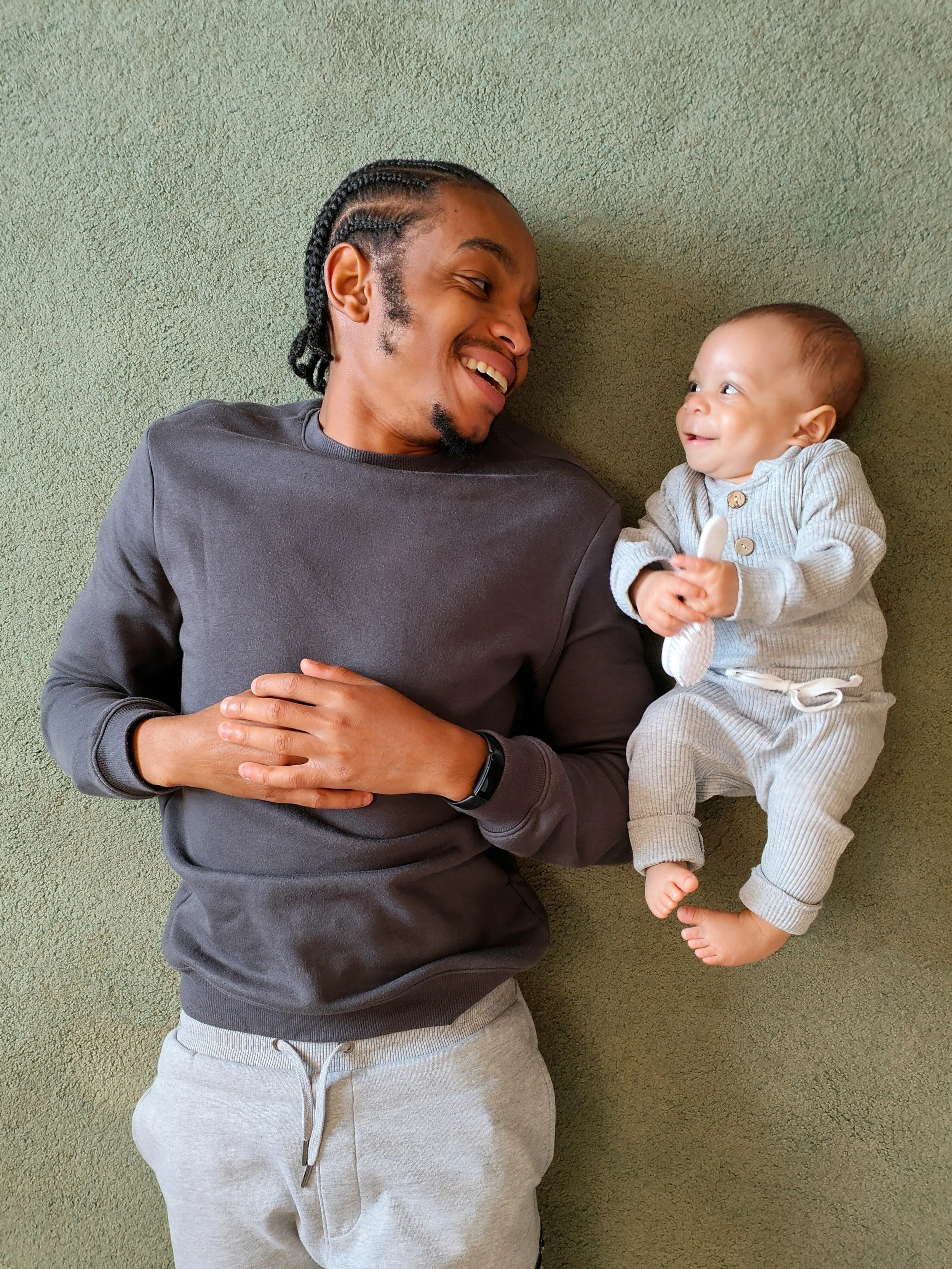
Research shows that humans have a biological need for secure attachment. Using the framework of EFT, my work focuses on the "emotional tone" of a relationship. When we understand the underlying fears and needs that drive conflict, we can move from reactive cycles to secure, lasting bonds.
Key Concept: The Attachment Loop. A self-sustaining cycle where one partner's "protest" for connection triggers the other's "protective" withdrawal, inadvertently reinforcing the very insecurity both are trying to escape.
3. Cognitive and Behavioral Psychology
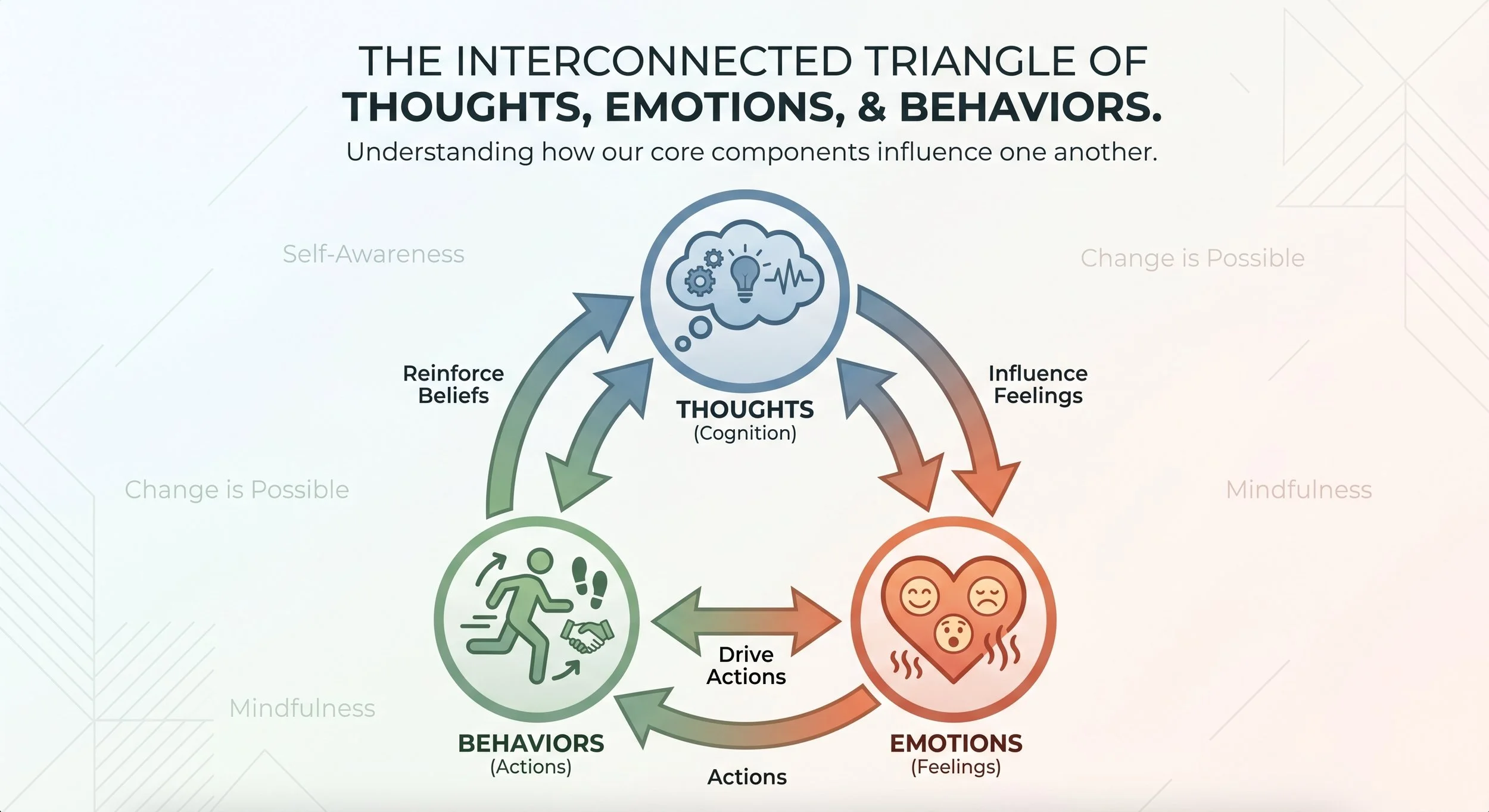
While systems and emotions provide the "why," Cognitive Behavioral Therapy (CBT) provides the "how." I integrate evidence-informed interventions that focus on the cognitive appraisal of our interactions. By restructuring the thoughts that trigger our distress, we can consciously choose healthier behavioral responses.
Key Concept: Cognitive Restructuring. The systematic process of identifying, challenging, and reframing the distorted thought patterns, or "cognitive biases,” that dictate our emotional responses and interpersonal behaviors.

4. The Frontier of Family Science
The field of relationship research is constantly evolving. I stay grounded in the latest research on family dynamics, coparenting, and relational health. My goal is to ensure that every insight I share-whether in a book, a podcast, or a workshop-is backed by the weight of modern data.
From the Therapy Room to the Modern Home.
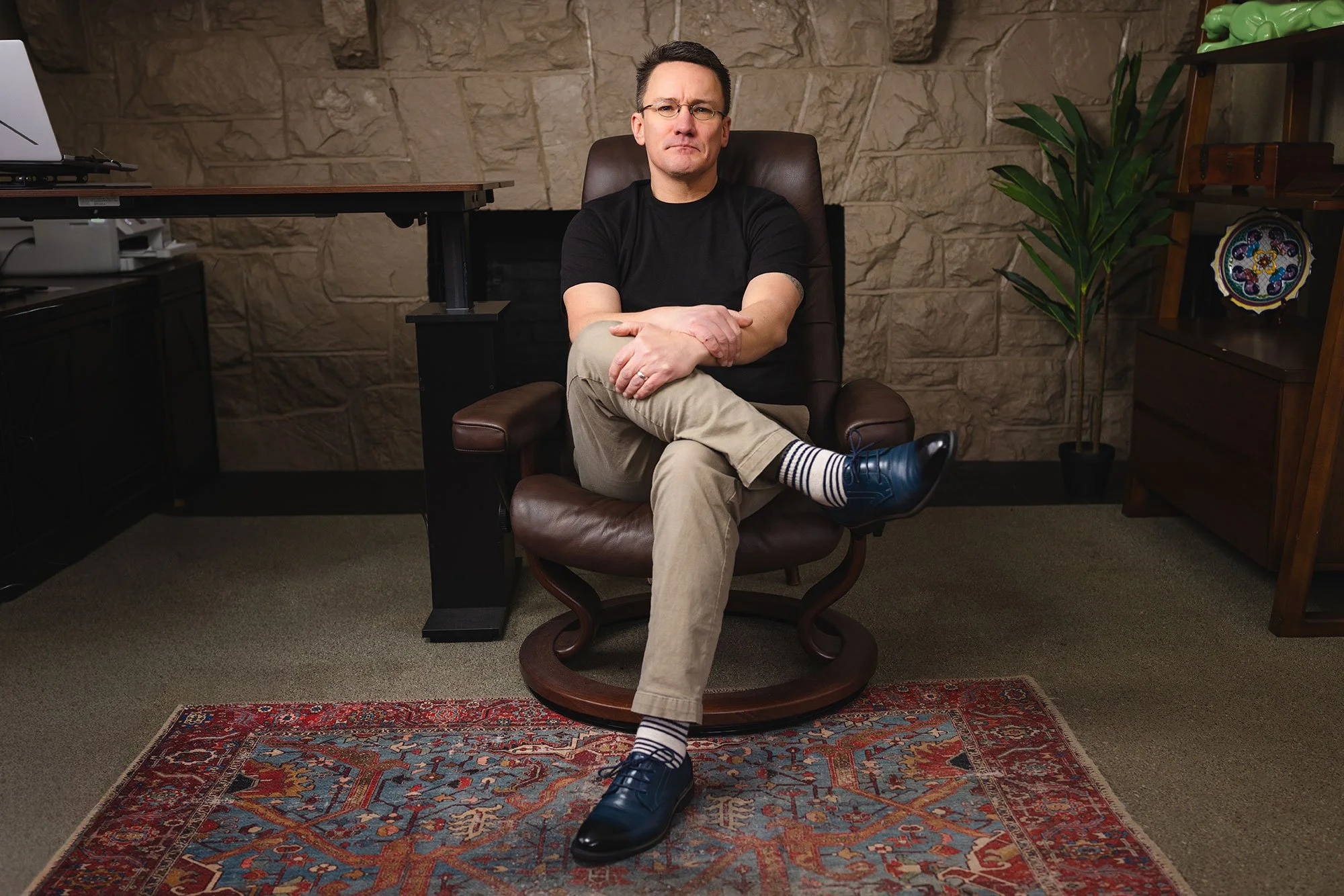
I've spent my career in the therapy room, but I realized the real work happens at the kitchen table.
For years, I watched couples describe their feelings while ignoring their functions. I saw how easily a "system leak" in communication could stall out a marriage. And I’ve learned that past hurt is never forgotten.
My work as an author and speaker allows me to take the science I use with my private clients and bring it to broader audiences.
Whether through my upcoming book, The Engine Room, my podcast, my speaking engagements, or my workshops,
my goal is to help you move past the "how" of your interactions and finally understand the "why" behind them.
The Author
Discover the hidden architecture of your home in The Engine Room, where I translate complex family research into a structural framework for mastering cognitive labor and building resilient relationship health.
The Podcast
Join me on The Dynamics of Partnership Podcast, where I interview researchers and practitioners to deconstruct the science of human attachment and family dynamics.
The Speaker
Bringing evidence-based insights to your organization or community. I provide keynote addresses and workshops that apply the rigor of family systems theory and research to the complexities of human partnership—offering a blueprint for collective resilience through research, theory, and radical candor.
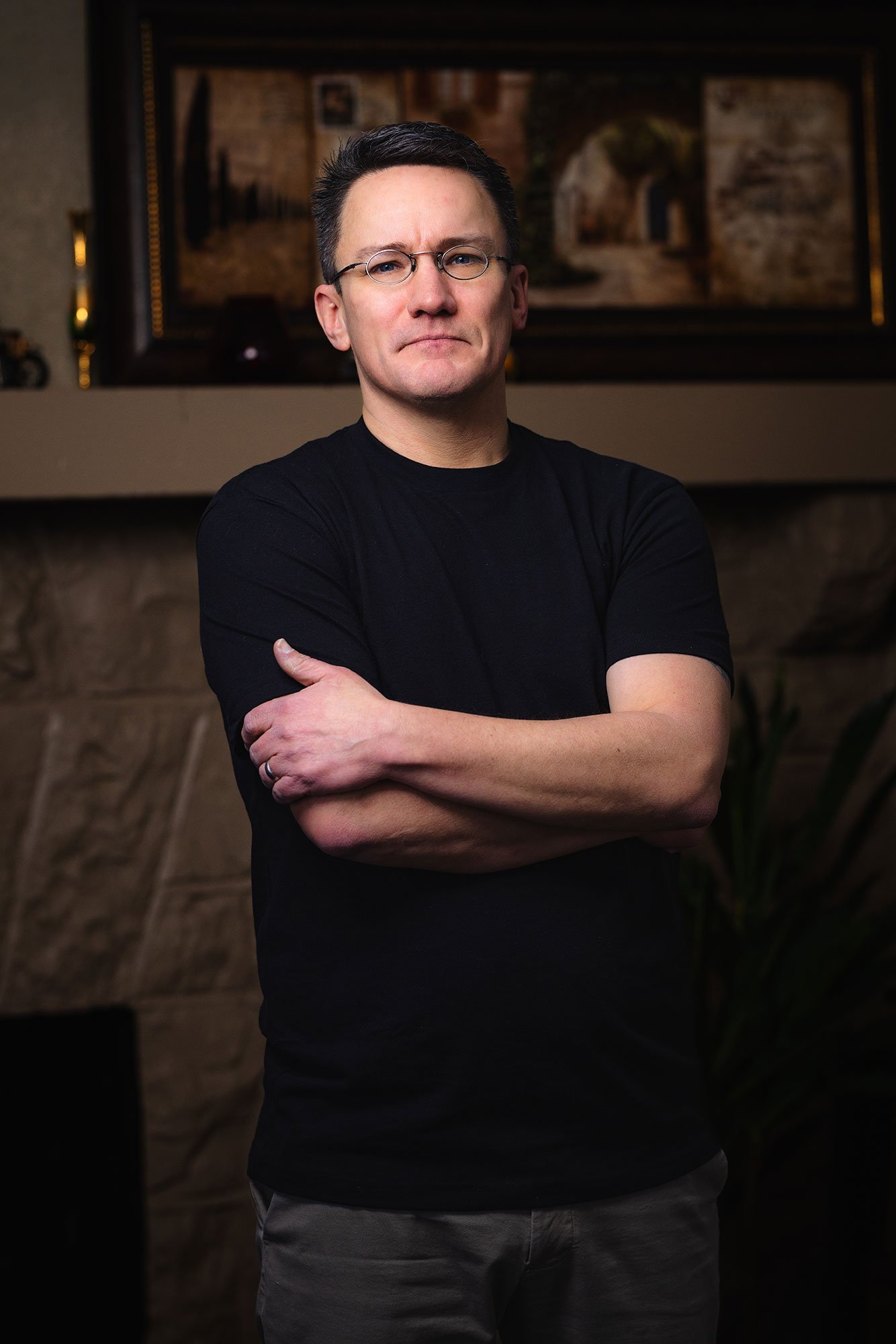
Authority & Credentials
Greg Kovacs, PhD, LMFT
Relationship Specialist, Researcher, & Author of The Engine Room
PhD in Child and Family Studies I Syracuse University
MS in Marriage and Family Therapy I University of New Hampshire
MS in Data Analytics I University of Maryland
Clinical Fellow, American Association for Marriage and Family Therapy (AAMFT)
Member, the International Centre for Excellence in Emotionally Focused Therapy (ICEEFT)
Professional Member, National Council on Family Relations (NCFR)
Member, Association of Family & Conciliation Courts (AFC)